
 All Categories
Tooth Sensitivity Remedies: Simple Ayurvedic Ways to Reduce Sensitive Teeth Pain
Introduction
A sudden sharp pain while drinking cold water, having hot tea, eating sweets, or even brushing your teeth can be quite uncomfortable. This is usually called tooth sensitivity. The good thing is that with the right daily care, simple habits, and natural support, tooth sensitivity remedies can help reduce discomfort and protect your teeth better over time.
Tooth sensitivity is not something to ignore, but it is also not something to panic about. Many people face it because of daily habits like hard brushing, frequent acidic foods, poor oral hygiene, gum weakness, or enamel wear. Ayurveda also reminds us that oral health is closely connected with daily routine, food habits, digestion, and overall balance in the body.
Why Do Teeth Become Sensitive?
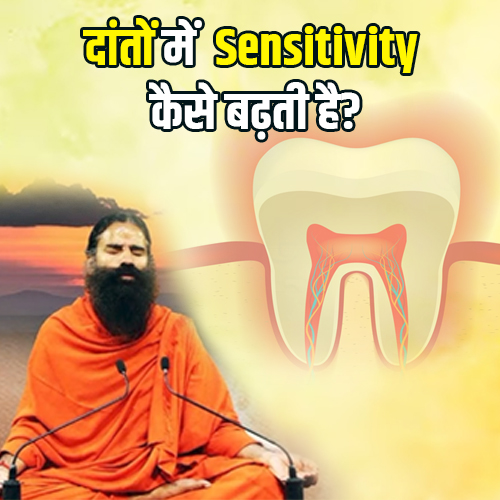
To understand sensitive teeth in simple words, think of your tooth as having a strong outer covering. This outer layer protects the softer inner part of the tooth. When this protective layer becomes weak, thin, or damaged, the inner layer called dentin may get exposed. Dentin has tiny channels inside it. When hot, cold, sweet, or sour foods touch these open channels, they can irritate the nerves inside the tooth. That is why you feel a sudden sharp sensation.
For more details you can watch the video below where Param Pujya Swami Ramdev ji and Dr. Anurag Varshney has discussed this issue in detail.
Some common reasons for tooth sensitivity include:
- Brushing too hard or using a very hard toothbrush
- Weak gums or gum recession
- Tooth enamel damage due to acidic foods and drinks
- Frequent intake of cold drinks, packaged juices, or very sour foods
- Grinding teeth at night
- Poor oral hygiene leading to plaque and gum problems
- Using harsh whitening products without guidance
Sometimes sensitivity may also happen because of cavities, cracked teeth, or gum infection. So, if the pain is severe, frequent, or affecting one specific tooth, it is better to consult a dentist.
Tooth Sensitivity Remedies That Actually Help in Daily Life
The best approach is simple: protect the enamel, support the gums, reduce irritation, and follow a gentle oral care routine every day. Home remedies for sensitive teeth can support relief, but they work best when combined with proper brushing, food discipline, and regular oral hygiene.
1. Brush Gently, Not Aggressively
Many people feel that brushing harder cleans better. Actually, it can do the opposite. Hard brushing may slowly damage enamel and hurt the gums.
Use a soft-bristled toothbrush and brush in small circular movements. Give proper time to brushing, but do not apply too much pressure. If your toothbrush bristles become flat or spread out very quickly, it may be a sign that you are brushing too hard.
A small change in brushing style can make a big difference.
2. Choose a Toothpaste Made for Sensitive Teeth
For people looking for sensitive teeth pain relief, using the right toothpaste is important. A toothpaste meant for sensitivity may help reduce discomfort by supporting the exposed dentin areas.
Patanjali Dant Kanti Sensitive Toothpaste can be naturally included in the daily routine for people facing sensitivity. In the above video, Dr. Anurag Varshney explains that studies on extracted teeth showed how Dant Kanti Sensitive helped reduce the size and density of open dentinal pores, supporting better protection against sensitivity.
Know more about Dant Kanti Sensitive toothpaste : https://www.patanjaliayurved.net/product/natural-personal-care/dental-care/dant-kanti-sensitive-toothpaste/3743
Use it regularly, but remember that toothpaste alone is not the full solution. Food habits, brushing method, gum care, and lifestyle also matter.
3. Avoid Very Cold, Very Hot, and Very Sour Foods for Some Time
When teeth are sensitive, they need a little rest. For a few days, avoid sudden temperature changes like drinking ice-cold water after hot tea or eating ice cream immediately after a warm meal.
Also reduce:
- Lemon water taken too frequently
- Vinegar-based foods
- Aerated drinks
- Packaged fruit juices
- Very sour pickles
- Too much tamarind or amchur-heavy food
You do not have to fear these foods forever. Just reduce the regular irritation and allow your teeth and gums to settle.
4. Rinse Your Mouth After Meals
This is a simple habit, but very powerful. After eating, especially after sweet or acidic food, rinse your mouth properly with plain water.
This helps remove food particles and reduces the effect of acids on the teeth. In Indian homes, we often brush in the morning but forget oral hygiene after meals. A simple rinse after lunch, snacks, tea, or dinner can support better oral health.
5. Take Care of Gum Health
Tooth sensitivity is often connected with gum weakness. When gums move back slightly or become inflamed, the lower part of the tooth gets exposed. This can increase sensitivity.
For gum care:
- Massage gums very gently with clean fingers
- Avoid poking teeth with sharp objects
- Do not ignore bleeding gums
- Maintain regular brushing and mouth rinsing
- Eat foods rich in natural minerals and vitamins
If gums bleed often or there is swelling, bad breath, or pus, consult a dentist. These may be signs of gum infection.
Home Remedies for Sensitive Teeth
Home remedies can provide gentle support, especially when the sensitivity is mild. They should not replace dental care if the problem is serious, but they can be included as part of a balanced routine.
1. Warm Salt Water Rinse
Warm salt water is one of the simplest home remedies for sensitive teeth. Mix a little salt in lukewarm water and rinse your mouth gently.
It may help soothe gums and maintain oral cleanliness. Do not make the water too hot, and do not overdo it. Once a day for a short period is enough.
2. Clove for Occasional Discomfort
Clove has been traditionally used in Indian homes for dental discomfort. You may gently keep a small clove near the affected area for a short time, or use clove-based oral care products where suitable.
Avoid applying strong clove oil directly in excess, as it may irritate the mouth. Natural does not always mean “use more.” Balance is important.
3. Sesame Oil or Coconut Oil Pulling
Oil pulling is an old Ayurvedic practice. Swishing sesame oil or coconut oil in the mouth for a few minutes may support oral hygiene and gum health.
Start with just 2–3 minutes if you are new to it. Do not swallow the oil. Spit it out and rinse your mouth.
4. Avoid Frequent Sugar Snacking
Sugar itself may not cause instant sensitivity, but frequent sweet snacking can disturb oral hygiene and support cavity formation. This can worsen sensitivity over time.
Instead of eating sweets or biscuits many times in the day, try to keep snacks limited and rinse your mouth after eating.
5. Support Your Teeth Through Diet
Your teeth need nourishment too. Include foods that support calcium, minerals, and overall strength.
Helpful foods include:
- Milk, curd, paneer, and buttermilk if suitable for you
- Sesame seeds and ragi
- Green leafy vegetables
- Amla and seasonal fruits
- Nuts and seeds in moderation
- Simple home-cooked meals
Avoid making your diet too acidic, too sugary, or too processed. Ayurveda always gives importance to balance, digestion, and routine.
Simple Daily Routine for Sensitive Teeth Pain Relief
Here is an easy routine you can follow:
Morning
Brush gently with a soft toothbrush. Use a sensitivity-supporting toothpaste such as Patanjali Dant Kanti Sensitive Toothpaste if you regularly face sensitivity. Do not brush harshly.
After brushing, rinse properly. If your gums feel weak, gently massage them with a clean finger for a few seconds.
After Meals
Rinse your mouth with plain water. This is especially useful after tea, sweets, fruits, sour foods, or packaged snacks.
Evening
Avoid unnecessary cold drinks, very sour foods, and late-night sweet snacking. If you have sensitivity, give your teeth a calmer food environment.
Night
Brush gently before sleeping. Night brushing is very important because food particles left overnight can affect teeth and gums.
If needed, do a mild warm salt water rinse, but keep it gentle. Do not make it a harsh daily habit for months without guidance.
Can There Be a Complete Sensitive Teeth Cure?
Many people search for a sensitive teeth cure because the pain feels sudden and irritating. The truth is, relief depends on the cause.
If sensitivity is due to hard brushing, mild enamel wear, or gum irritation, daily care may help a lot. But if it is due to cavity, cracked tooth, deep gum infection, or exposed root, dental treatment may be needed.
So, do not ignore these signs:
- Pain in one specific tooth
- Sensitivity that continues for many weeks
- Pain while chewing
- Swelling or bleeding gums
- Bad smell with gum discharge
- Sensitivity after injury or tooth breakage
In such cases, consult a qualified dentist.
Conclusion
Tooth sensitivity can disturb small joys of daily life — a cup of chai, a glass of cold water, or a bite of something sweet. But with gentle brushing, better food habits, regular rinsing, gum care, and the right oral care support, it can be managed well in many cases.
The key is not to wait until the pain becomes severe. Start with small corrections today. Use natural and Ayurvedic support wisely, keep your routine simple, and give your teeth the care they deserve.
FAQs
1. What are the best tooth sensitivity remedies at home?
Gentle brushing, warm salt water rinse, avoiding very cold or sour foods, rinsing after meals, and using a toothpaste made for sensitivity may help. If pain continues, consult a dentist.
2. Can sensitive teeth pain relief happen quickly?
Mild sensitivity may reduce with proper care, but it may take regular use of the right toothpaste and better habits for noticeable comfort. Severe pain needs dental check-up.
3. Are home remedies for sensitive teeth enough?
Home remedies can support mild discomfort, but they may not solve problems like cavities, cracked teeth, or gum infection. If sensitivity is frequent or severe, dental advice is important.
4. Is Patanjali Dant Kanti Sensitive useful for tooth sensitivity?
Patanjali Dant Kanti Sensitive Toothpaste can be included in a daily oral care routine for sensitivity support. It works best when combined with gentle brushing, proper food habits, and gum care.
5. What foods should I avoid if I have sensitive teeth?
Avoid frequent cold drinks, very sour foods, aerated beverages, packaged juices, and too much sugary snacking. Also avoid sudden hot-cold combinations, like cold water immediately after hot tea.


